
The allure of chance and reward
Slot machines captivate players primarily due to their inherent unpredictability and the promise of potential rewards. The thrill of hitting the jackpot is a powerful motivator, drawing individuals into a cycle of repeated play at a new online casino where excitement reigns supreme. This attraction is rooted in psychological principles such as the variable ratio schedule of reinforcement, which is a core element in the design of these machines. The intermittent nature of rewards means that players can engage for long periods, hoping for a big win, which reinforces their behavior.
The anticipation of winning triggers the release of dopamine, a neurotransmitter associated with pleasure and reward. Each spin creates a sense of excitement, which is further amplified by the bright lights and sounds that accompany a potential win. This sensory stimulation creates an environment that keeps players returning, as the thrill of the chase becomes increasingly addictive. Over time, players may develop a compulsive need to experience that rush, often leading them to prioritize gambling over other activities.
Moreover, the design of slot machines encourages players to believe they are in control of their outcomes. Features such as ‘near misses,’ where players almost win, can create an illusion of skill or strategy involved in play. This perception can lead to continued engagement, as players think they are just one spin away from a significant payout. This psychological manipulation is a key factor in the persistence of gambling behavior, making it easier for individuals to overlook the financial and social consequences of their addiction.
The role of escape and distraction
Slot machines also serve as a means of escape for many individuals. For those facing stress or personal difficulties, the immersive experience of playing can provide a temporary reprieve from life’s challenges. Engaging with the machine allows players to momentarily forget their problems, as the focus shifts to the game and the potential for winning. This form of escape can be particularly appealing during times of emotional turmoil, leading individuals to seek solace in gambling.
The environment of a casino, filled with excitement and social interaction, can further enhance this escape. Players often find themselves swept up in the communal atmosphere, making gambling feel like a collective experience. This social component can reinforce addictive behavior as individuals become further entangled in the culture of gambling, feeling a sense of belonging among fellow players. Over time, this can develop into a reliance on gambling as a coping mechanism, creating a cycle that is difficult to break.

Additionally, the accessibility of slot machines has increased in recent years, with many jurisdictions allowing them in various public venues. This ease of access makes it simpler for individuals seeking an escape to indulge in gambling, further perpetuating the cycle of addiction. The combination of emotional release and social interaction can lead to a dangerous habit, where Slot machines become the primary means of coping with stress or dissatisfaction in life.
The impact of cognitive biases
Cognitive biases play a significant role in the psychology of slot machine addiction. Many players develop a series of misconceptions about their chances of winning, often influenced by their experiences and beliefs about luck. For instance, the belief in “hot” and “cold” machines leads players to make irrational decisions, such as playing a machine they perceive as more likely to pay out. This cognitive distortion skews their understanding of probability, creating a false sense of security that can further entrench their gambling habits.
Confirmation bias also contributes to this issue. Players often remember their wins while conveniently forgetting the numerous losses they incur over time. This selective memory can reinforce their belief in their luck or strategy, making them more likely to continue playing despite mounting losses. Over time, these cognitive biases not only fuel the addiction but can also lead to financial disaster, with individuals convinced that success is just around the corner.
Furthermore, the illusion of control is a well-documented phenomenon in gambling psychology. Players may feel they have a say in their outcomes by selecting specific bets or playing particular machines. This perceived agency can lead them to ignore the random nature of slot machines, undermining their understanding of how the games work. The longer players engage with these cognitive biases, the more difficult it becomes to break free from the addictive cycle, further complicating their relationship with gambling.
The social stigma of addiction
Despite the prevalence of slot machine addiction, there remains a significant stigma surrounding the issue. Many individuals suffering from this form of addiction may feel shame or embarrassment, leading to a reluctance to seek help. This stigma is compounded by societal views that often portray gamblers as irresponsible or lacking self-control. As a result, those struggling may isolate themselves, feeling misunderstood or judged, and this isolation can either exacerbate their addiction or delay their recovery.
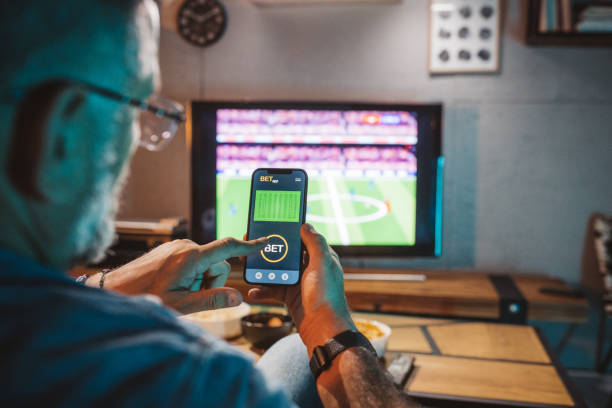
Furthermore, this stigma can prevent open discussions about the risks of gambling and the importance of responsible play. Many people view gambling as a harmless form of entertainment, failing to recognize the potential for addiction within themselves or their loved ones. Awareness and education about the psychology of gambling addiction are crucial in combating this stigma and promoting healthier attitudes towards gaming.
Support systems are essential for individuals facing slot machine addiction, yet the fear of being judged can hinder their ability to seek help. By addressing the social stigma, community programs and support groups can help individuals feel more comfortable discussing their experiences, ultimately fostering an environment where recovery is seen as a strength, not a weakness. Overcoming this stigma is a vital step towards healing for many affected by gambling addiction.
Your pathway to understanding gambling addiction
Understanding the psychology behind slot machine addiction is crucial for both individuals facing this challenge and their loved ones. By exploring the factors that contribute to gambling behavior, including the allure of chance, the role of escape, cognitive biases, and societal stigma, we can foster more informed discussions about addiction. Knowledge empowers individuals to make healthier choices and seek support when necessary.
Many resources are available for those looking to better grasp gambling addiction. Support groups, therapy, and educational materials can provide insight into the psychological mechanisms at play, helping individuals recognize their patterns of behavior. By addressing the problem collectively, society can work towards reducing the stigma associated with gambling addiction and promoting understanding.
Ultimately, the journey towards recovery involves recognizing the complexities of addiction and the individual experiences that shape each person’s relationship with gambling. Encouraging open dialogue and offering support can create an environment that fosters healing and growth, allowing individuals to reclaim control over their lives and make informed choices about gambling.